
A Record-Breaking Test
China is continuing to push the boundaries of high-speed transportation technology.
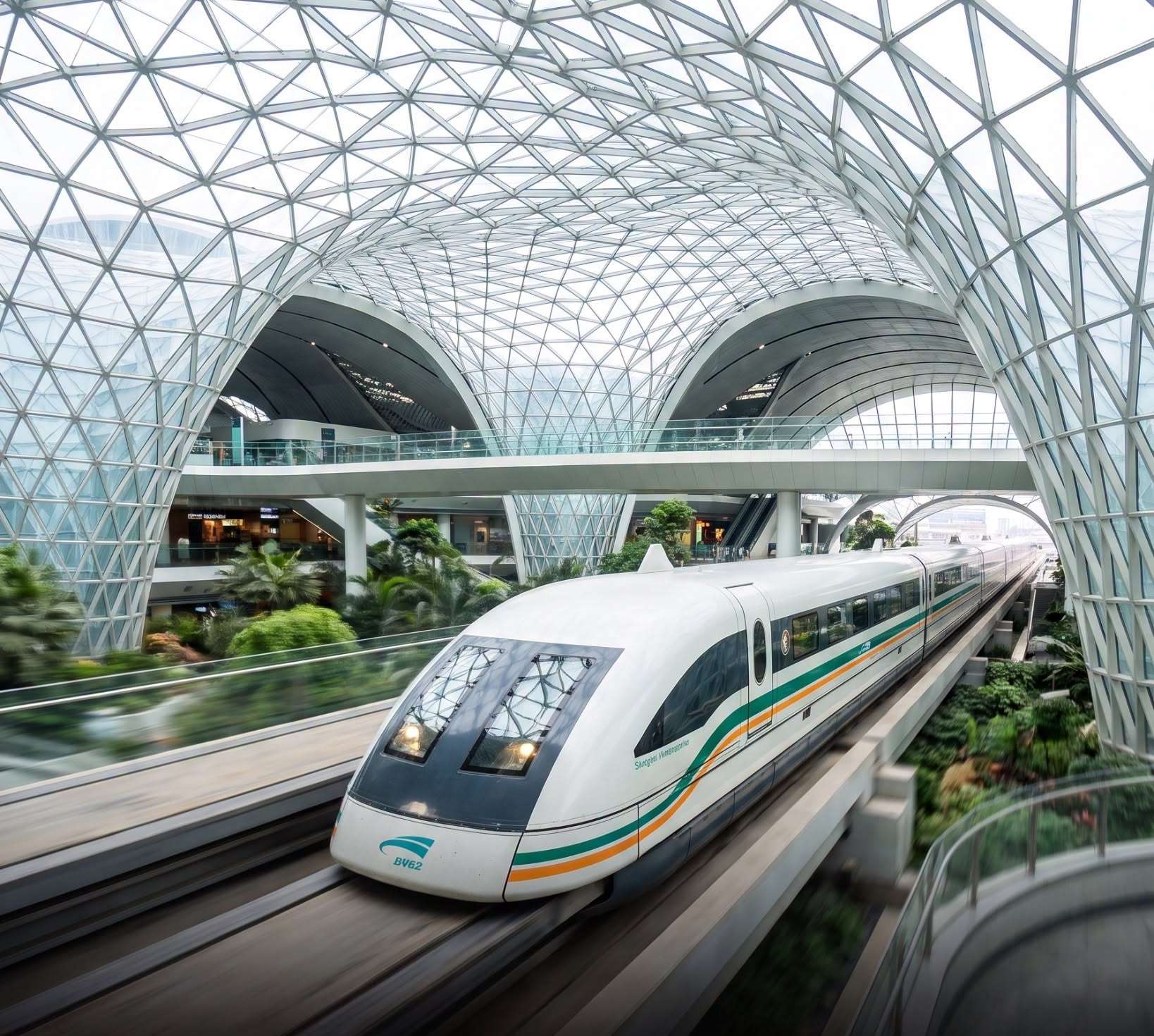
At the East Lake Laboratory in Hubei Province, an experimental magnetic-levitation vehicle reached an astonishing 800 km/h (497 mph) in just 5.3 seconds during a test on a 1-kilometer track.
The vehicle weighed approximately 2,447 pounds, making the acceleration even more remarkable.
How Does Maglev Work?
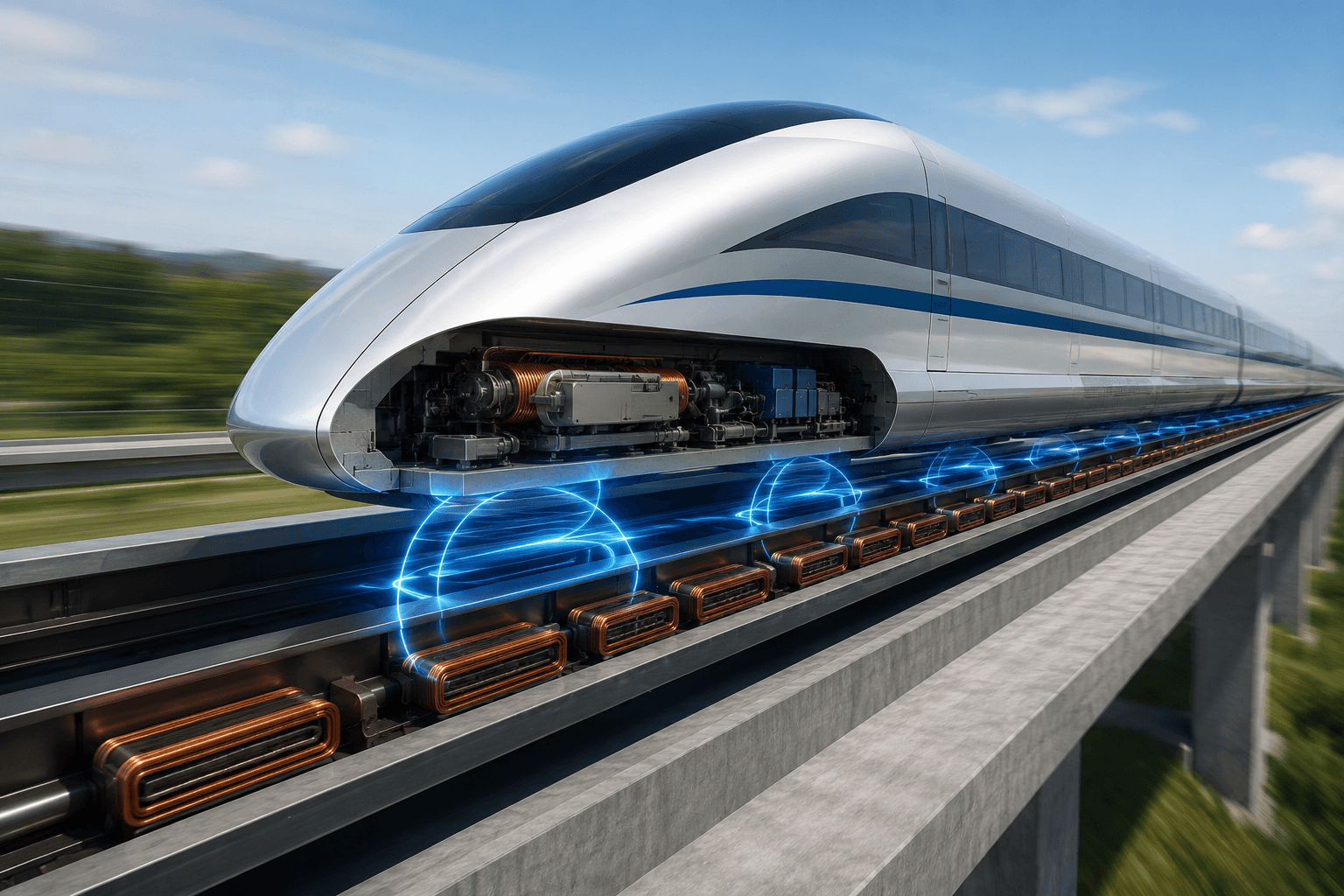
Unlike conventional trains, magnetic-levitation vehicles use magnetic forces to lift the vehicle above the track, eliminating direct wheel-to-rail contact.
Electromagnetic propulsion then creates a traveling magnetic field that moves the vehicle forward.
With less mechanical friction, maglev technology has the potential to achieve speeds far beyond traditional rail transportation.
More Than Just Speed
The test wasn’t simply about reaching 800 km/h.
Researchers were also testing propulsion, levitation, positioning, stability, and braking technologies.
After reaching its top speed, the vehicle was brought to a controlled stop within slightly more than 656 feet, demonstrating the importance of precise control at extremely high speeds.
Part of a Rapid Series of Tests
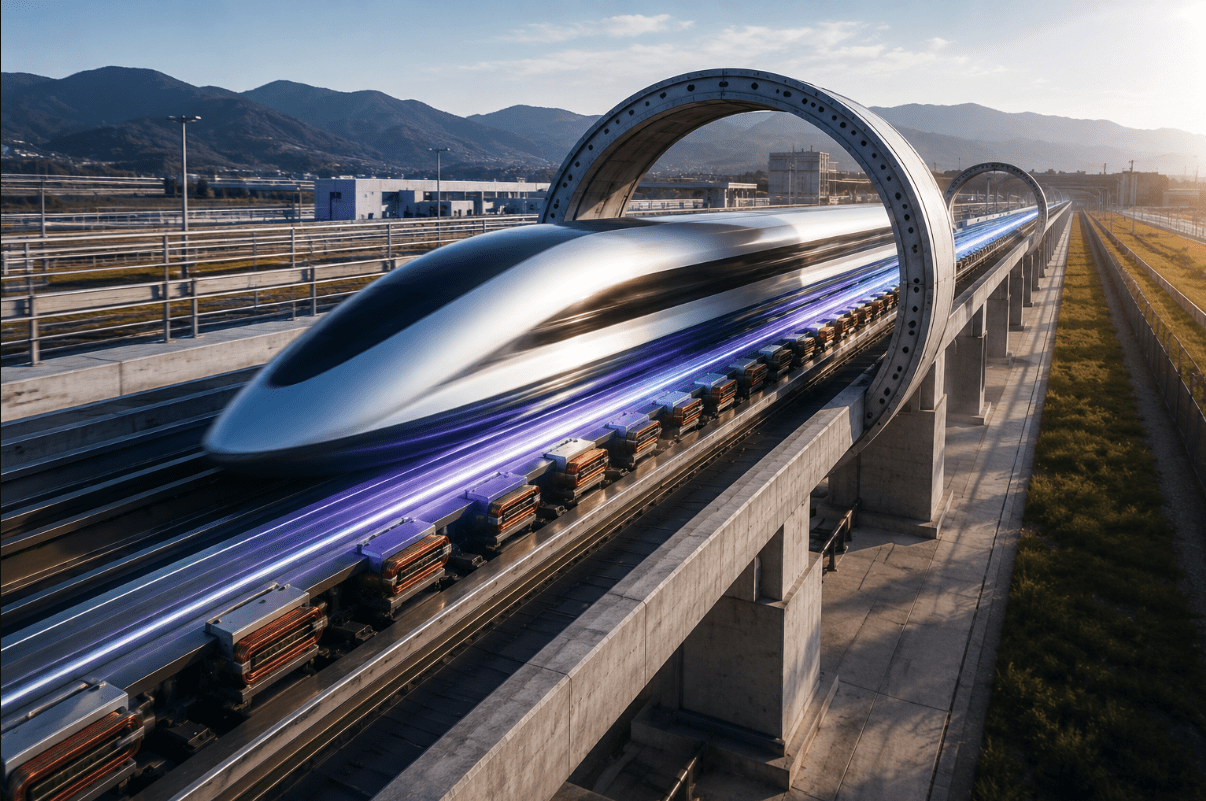
The 800 km/h achievement followed several earlier high-speed tests by the East Lake Laboratory.
Researchers had previously reached speeds of approximately 650 km/h and 700 km/h, making the latest test another step in the development of the technology.
Each test helps researchers improve the systems needed to safely control vehicles traveling at extraordinary speeds.
Could This Change Travel?
While an 800 km/h passenger train isn’t something travelers can board today, the technology offers an exciting glimpse into what future transportation could look like.
The research could eventually contribute to ultra-high-speed transportation and other applications involving electromagnetic propulsion.
China already has one of the world’s most extensive high-speed rail networks, and developments like this show that the country’s transportation technology continues to evolve.
A Glimpse Into Tomorrow
or travelers visiting China today, high-speed rail already makes it possible to explore enormous distances quickly and comfortably.
But experiments like this remind us that the journey is far from over.
From today’s high-speed trains to tomorrow’s advanced maglev systems, China continues to explore what is possible when technology and transportation move forward together.
🚄 The future of travel may be moving faster than we think. 🇨🇳