This year, the Dragon Boat Festival falls on June 19, 2026.
If you’re an adoptive parent or an adoptee with roots in China, the Dragon Boat Festival offers a meaningful
opportunity to connect with culture, history, and tradition. Beyond the famous boat races and rice
dumplings lies a holiday rooted in remembrance, protection, family, and identity.
As a mom to two daughters born in China, this holiday has become one of those annual touchstones in our
family. It is a day when culture is not simply something we read about. It is something we experience
together through food, stories, traditions, and shared memories.
Dragon Boat Festival at a Glance
📅 Date in 2026: June 19
📍 Celebrated Throughout: China and Chinese communities worldwide
🐉 Chinese Name: Duanwu Festival (端午节)
🍚 Traditional Food: Zongzi (粽子)
🚣 Most Famous Tradition: Dragon Boat Racing
🏛️ UNESCO Recognition: Intangible Cultural Heritage since 2009
The Story Behind the Festival
The Dragon Boat Festival, known in Chinese as Duanwu Jie (端午节), takes place on the fifth day of the fifth month of the Chinese lunar calendar.
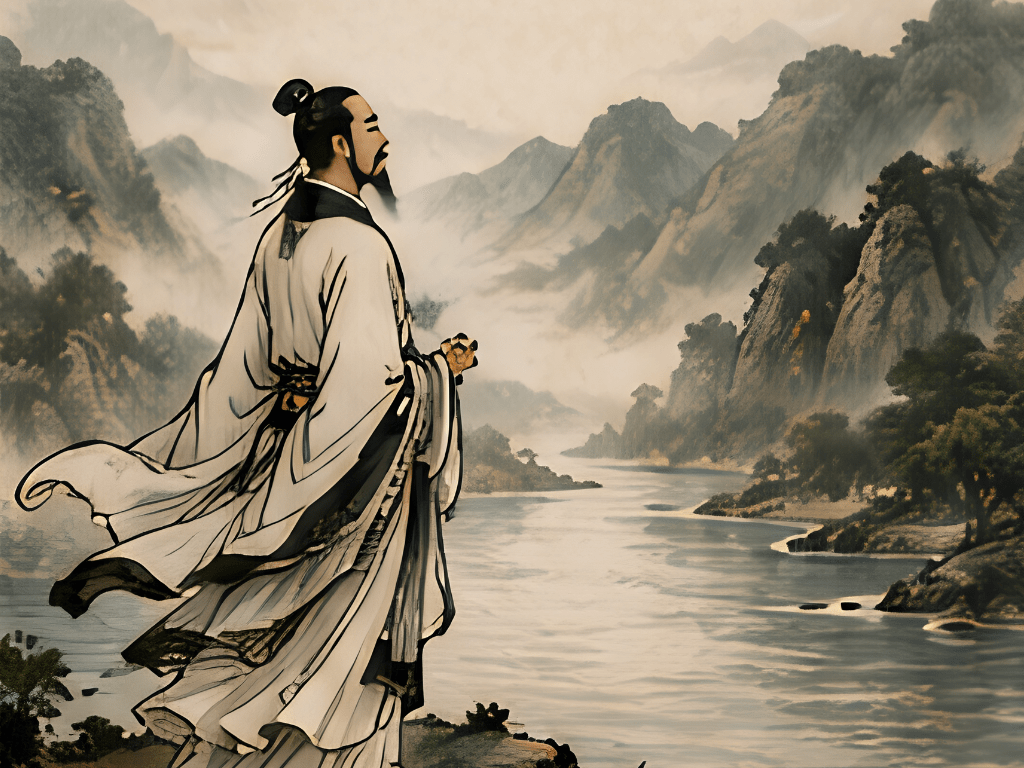
The most widely told origin story centers on Qu Yuan (屈原), a poet and government minister in the ancient state of Chu over 2,000 years ago. Qu Yuan was deeply loyal to his country and outspoken against corruption. When his state fell, he chose to drown himself in the Miluo River rather than live under a corrupt government.
The villagers who loved him rushed out in boats to search for him. They beat drums to scare away fish and threw packets of rice into the water to protect his body. These acts eventually evolved into the traditions of dragon boat racing and eating zongzi.
While the Qu Yuan story remains central today, historians believe the festival’s roots are even older, originating as a seasonal celebration connected to health, protection, and agricultural traditions.
In 2009, UNESCO added the Dragon Boat Festival to its Representative List of the Intangible Cultural
Heritage of Humanity.
Why Duanwu Resonates with Many Adoptees
The Dragon Boat Festival is more than a historical celebration. The themes at its heart are especially
meaningful for many adoptees and adoptive families.
✔️ Remembering those who have been lost
✔️ Communities coming together in care and support
✔️ Protecting children and families
✔️ Expressing cultural identity through food, ritual, and tradition
These themes often resonate deeply with those exploring questions of heritage, belonging, and identity.
Dragon Boat Racing (赛龙舟)
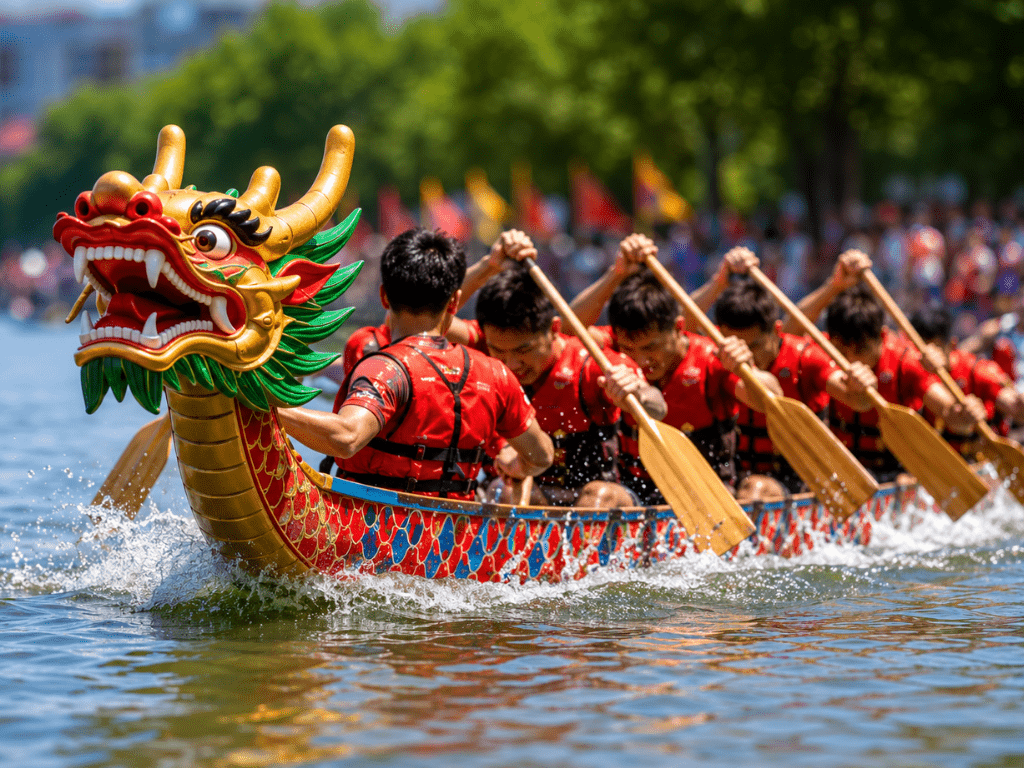
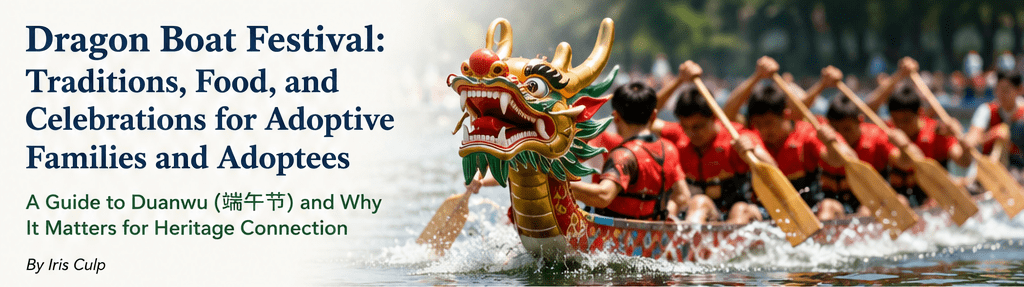
Dragon boat racing is one of the most recognizable traditions of the festival. Long, narrow boats decorated as dragons race across the water while paddlers row in rhythm to the beat of a drum.
Across the United States, many communities host dragon boat festivals each summer, offering opportunities to experience this tradition firsthand.
For adoptees, attending a race or joining a dragon boat team can be a meaningful way to engage with Chinese culture through community, teamwork, and shared experience.
Other Festival Traditions
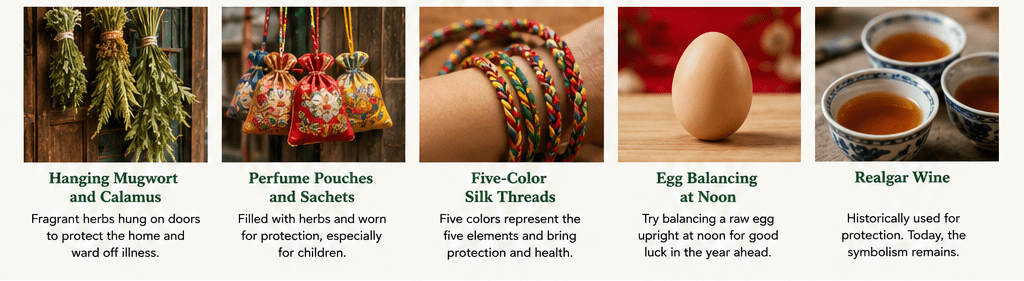
The Food: Zongzi and Beyond
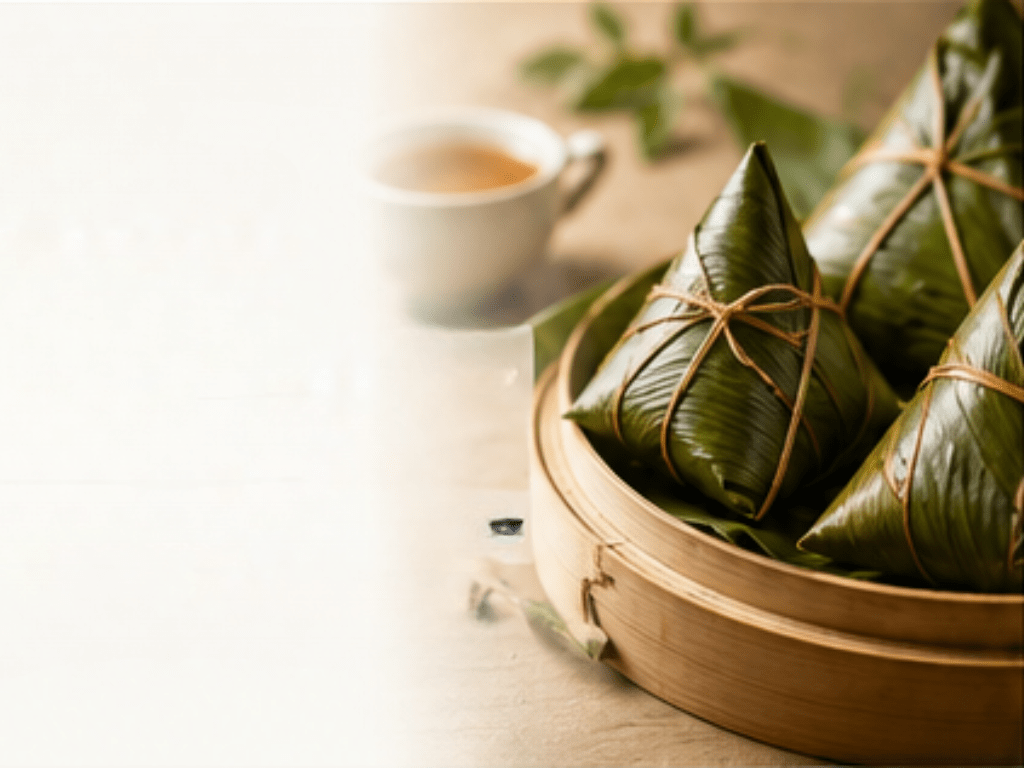
No Dragon Boat Festival celebration would be complete without zongzi (粽子), sticky rice dumplings wrapped in bamboo or reed leaves and steamed or boiled.
Traditionally connected to the story of Qu Yuan, zongzi have become one of China’s most beloved festival foods. What makes them especially fascinating is how dramatically they vary across regions, reflecting the diversity of Chinese food culture.
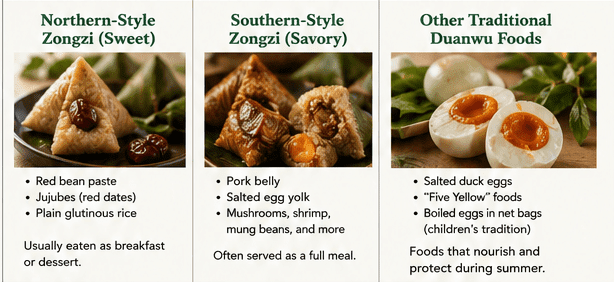
In regions such as Guangdong, Shanghai, and Zhejiang, these savory dumplings are often enjoyed as a complete meal and showcase the incredible diversity of regional Chinese cuisine.
Why Regional Foods Matter for Adoptees
Food can be one of the most accessible ways to explore culture and heritage.
For adoptees and adoptive families, trying different styles of Zongzi offers a sensory introduction to China’s regional traditions. Whether enjoying a sweet northern variety or a savory southern version, each bite tells part of a larger cultural story.
Sometimes zongzi are compared to tamales because they are leaf-wrapped, filled, and often made together as a family.
Like many traditional foods, they bring people together through shared preparation and celebration.
Dragon Boat Festivals Accross the United States
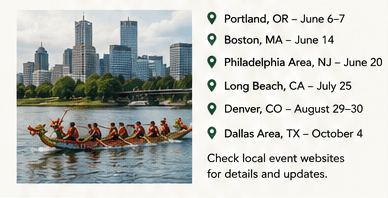
Be sure to check local event websites for updated schedules and details.
Simple Ways to Celebrate at Home
If attending a festival is not possible this year, consider:
- Making or purchasing zongzi
- Braiding five-color thread bracelets
- Hanging mugwort on your front door
- Trying the egg balancing challenge
- Sharing the story of Qu Yuan
- Watching dragon boat races online
Even small traditions can become meaningful family rituals over time.
Why Heritage Connection Matters
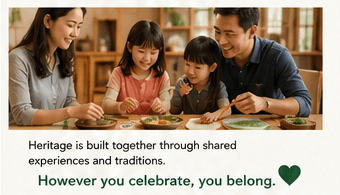
One lesson I have learned as an adoptive parent is that cultural heritage is not something you hand to a child all at once. It is something you build together through shared experiences, traditions, and meaningful moments over time.
The Dragon Boat Festival is especially powerful because it engages all the senses. You can taste it through zongzi, hear it through the drums, see it in the races, and experience it through traditions passed from one generation to the next.
For adoptees, these traditions are more than activities. They are opportunities to connect with a living culture that continues to evolve while honoring its past.
Whether you attend a dragon boat festival, make zongzi at home, braid five-color threads, or simply learn the story of Qu Yuan together, the Dragon Boat Festival offers a meaningful way to engage with Chinese
culture.
However you choose to celebrate, we hope Duanwu becomes part of your family’s story.
Happy Dragon Boat Festival. 🐉💛

Interested in Experiencing Chinese Culture Firsthand?
Lotus Travel has been helping adoptees and adoptive families connect with China through meaningful
heritage journeys for nearly 30 years.